Caucasus Winter Escape
An Exceptional 8-Day Winter Birding Journey Through Georgia
birding tours Georgia | Georgia birding tour | birdwatching Georgia | Caucasus birding tour | winter birding Georgia | bird photography tours Georgia | Georgia birding holidays | Caucasus bird species
28 February – 8 March 2027
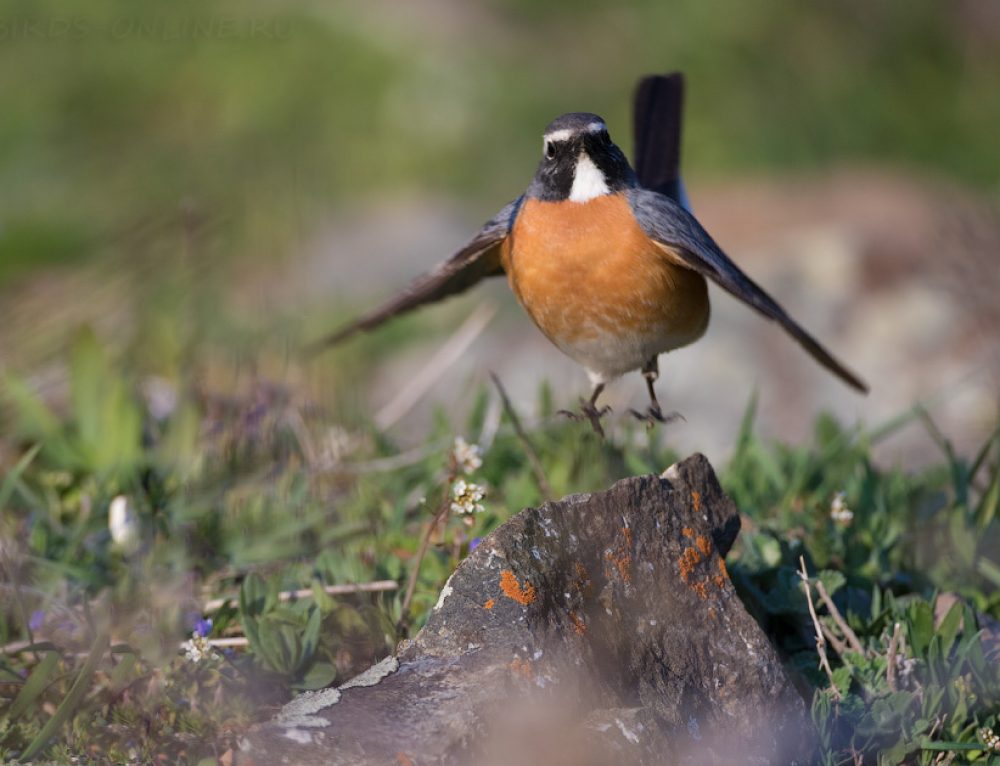
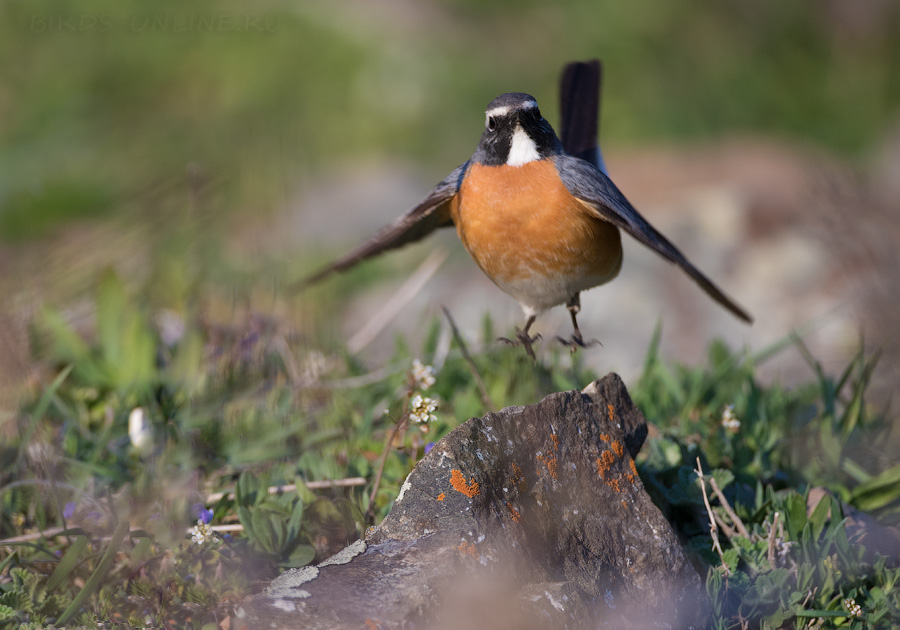
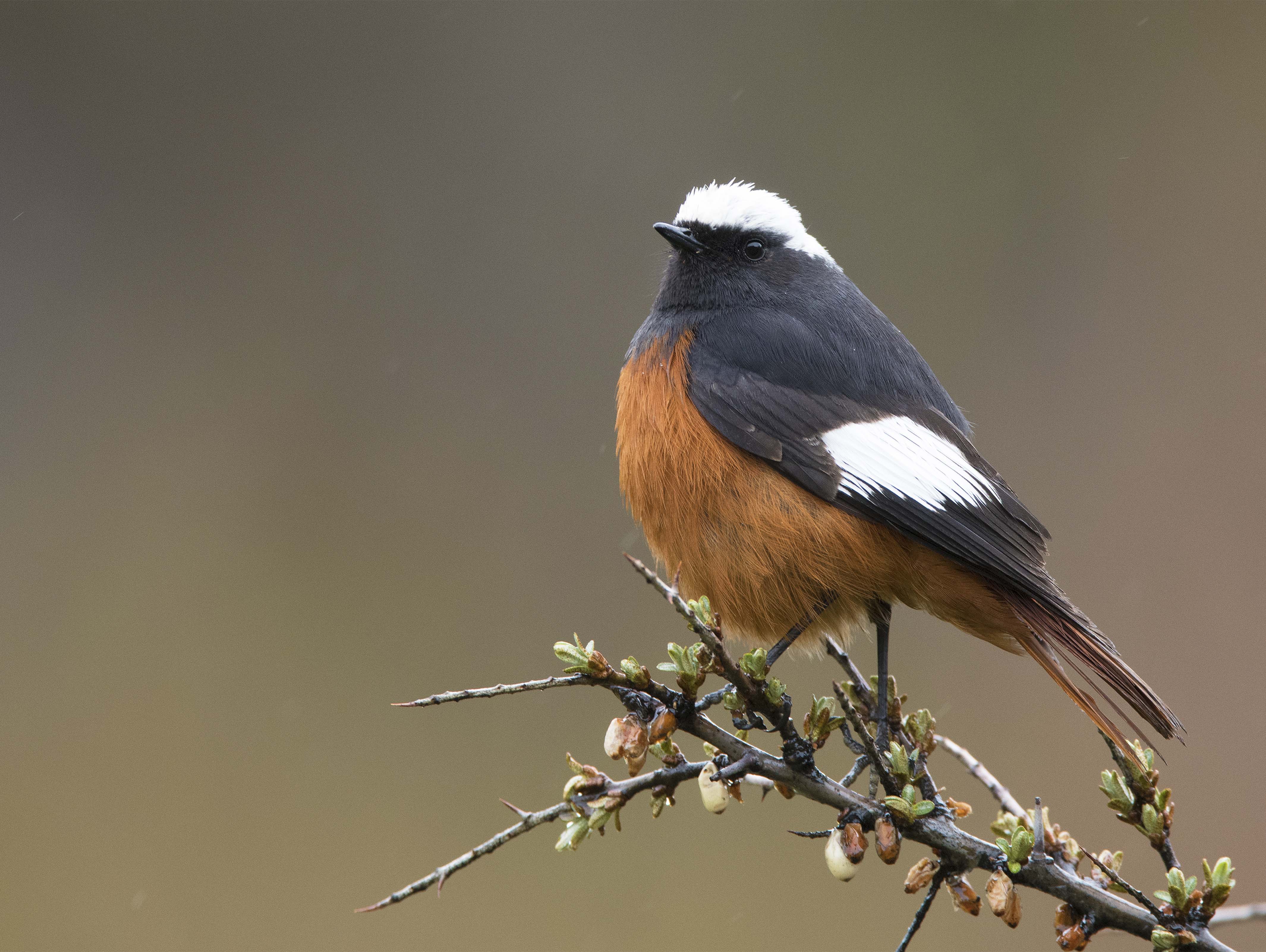
Georgia has long been regarded as the ornithological pearl of the Caucasus and with good reason. Favoured by geography and blessed with a remarkable diversity of habitats, this compact yet captivating country holds within its borders many of the region’s most iconic birds. While the migrations of spring and autumn are rightly celebrated, Georgia is equally compelling in winter, a season of subtle richness and quiet abundance. It is this distinctive and rewarding period that our eight-day tour is designed to explore. This is a magical threshold in the year: winter has not yet fully retreated, yet the first gentle warmth of spring begins to filter through the pale mountain light. In the Greater Caucasus Mountains, this seasonal transition reveals a complete ensemble of specialist fauna. A time when birdlife gathers, landscapes breathe in stillness, and some of the Caucasus’s most sought-after species can be observed at their most approachable – among them two of the most charismatic, Great Rosefinches and Güldenstädt’s Redstarts, dwelling here thousands of kilometres and many generations removed from their Himalayan relatives. At this time they are remarkably common and often confiding, encountered at known patches within the townlet where we will spend several unforgettable days immersed in the grandeur of this epic alpine region. As the tour continues into eastern Georgia, we explore the vast steppes and semi-deserts of renowned protected areas, where Little Bustard, Black Francolin and Eastern Imperial Eagle rank among the principal highlights. Large flocks of larks, sometimes numbering in the thousands, roam the plains, offering the tantalising possibility of Western Palearctic rarities such as White-winged Lark and Oriental Skylark. In leafless forest parks, our target woodpeckers are readily observed, while the steppe lakes near Tbilisi hold impressive gatherings of wintering waterfowl. Here, the stately Pallas’s Gull, Pygmy Cormorant and Dalmatian Pelican command particular attention among a rich supporting cast of species. Surprises are always possible, and beyond the superb birding, we ensure comfortable accommodation and generous, high-quality meals – a warm reflection of Georgia’s celebrated hospitality.
Target birds
| Caucasian Grouse | Calandra Lark M. c. calandra | Ring Ouzel T. t. amicorum | ||
| Caucasian Snowcock | Caucasian Horned Lark E. a. penicillata | White-throated Dipper C. c. caucasicus | ||
| Black Francolin F. f. francolinus | Alpine Accentor P. c. montana | Bearded Vulture G. b. barbatus | ||
| Chukar Partridge A. c. kleini | Güldenstädt’s Redstart P. e. erythrogastrus | Cinereous Vulture | ||
| Little Bustard | Caucasian Black Redstart P. o. ochruros | Griffon Vulture G. f. fulvus | ||
| Dalmatian Pelican | Western Rock Nuthatch S. n. neumayer | White-tailed Eagle H. a. albicilla | ||
| Black Stork | Krüper’s Nuthatch | Golden Eagle A. c. chrysaetos | ||
| Pygmy Cormorant | Wallcreeper T. m. muraria | Eastern Imperial Eagle | ||
| Pallas’s Gull | Rock Sparrow P. p. exigua | Greater Spotted Eagle | ||
| Armenian Gull | Red-fronted Serin | Lesser Spotted Eagle | ||
| Ruddy Shelduck | Great Rosefinch C. r. rubicilla | Steppe Eagle A. n. orientalis | ||
| Alpine Chough P. g. graculus | Isabelline Wheatear | Peregrine Falcon F. p. brookei | ||
| Caucasian Twite L. f. brevirostris | Finsch’s Wheatear | Pallid Harrier | ||
| Greater Short-toed Lark C. b. artemisiana | Syrian Woodpecker D. s. transcaucasicus | Long-legged Buzzard B. r. rufinus | ||
| Turkestan Short-toed Lark A. h. heinei | 0000 | Middle Spotted Woodpecker D. m. caucasicus | 0000 | Eurasian Eagle Owl B. b. interpositus |
| 0 | 0 | 0 |
Overview
Meeting in the capital, Tbilisi, we begin our journey northward to the alpine townlet of Stepantsminda (Saint Stephen), embraced by the sweeping panoramas of the Greater Caucasus Mountains and watched over by the imposing Kazbegi glacier. The drive itself takes only a few hours, yet with several well-timed birding stops along the way, it becomes a rewarding prelude to the days ahead.
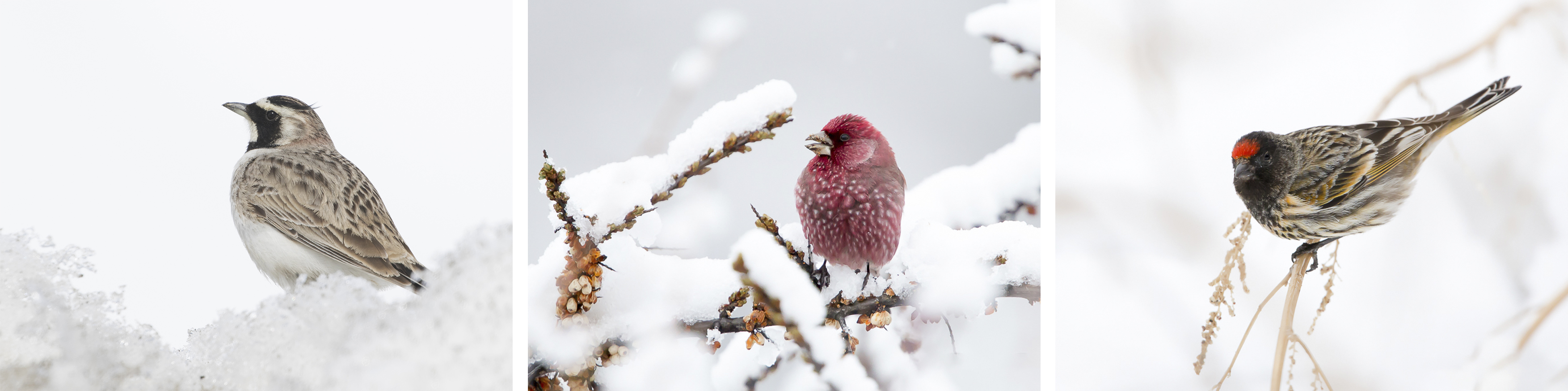
Over the following days we immerse ourselves in one of the Caucasus’s finest highland hotspots. Among our first priorities on arrival are Great Rosefinch and Güldenstädt’s Redstart. In winter, these charismatic species descend from their breeding grounds above 3,000 meters to traditional wintering areas around the town, where they gather in loose flocks, much like many other mountain birds in this season. March is still too early for courtship, and food, in the valley, remains abundant. Sea Buckthorn – their staple winter fare – grows profusely along the valley of the River Terek, its berry-laden shrubs alive with activity. In every sense, this is the ideal time and place for prolonged, intimate views of these sought-after species. The same habitat regularly holds Caucasian Twite, Caucasian Ring Ouzel and many besides, adding further richness to the alpine scene.
 While some birds favour the shelter of berry bushes, others prefer open ground. Caucasian Horned Larks are best sought on snow-covered meadows, especially near water sources where feeding conditions are favorable. More unpredictable, though often conspicuous by voice, is Red-fronted Serin. Though strongly associated with canary grass along the riverbanks, where White-throated Dipper is also a constant presence – they readily visit farmyards in search of additional food, and their lively calls frequently betray their presence.
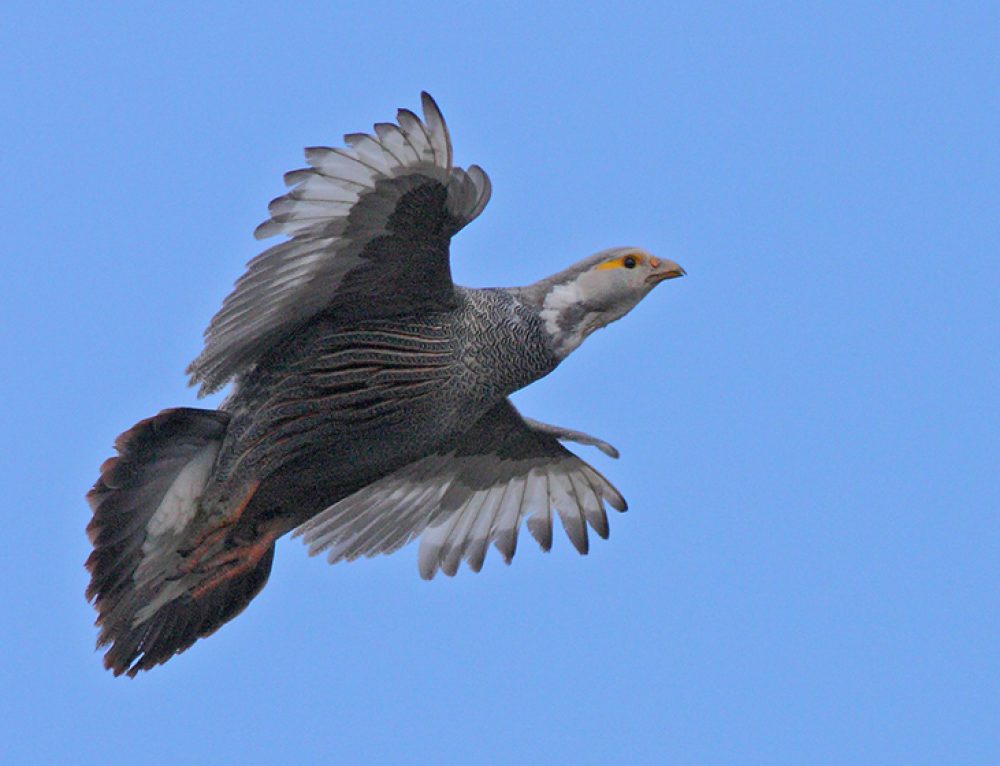
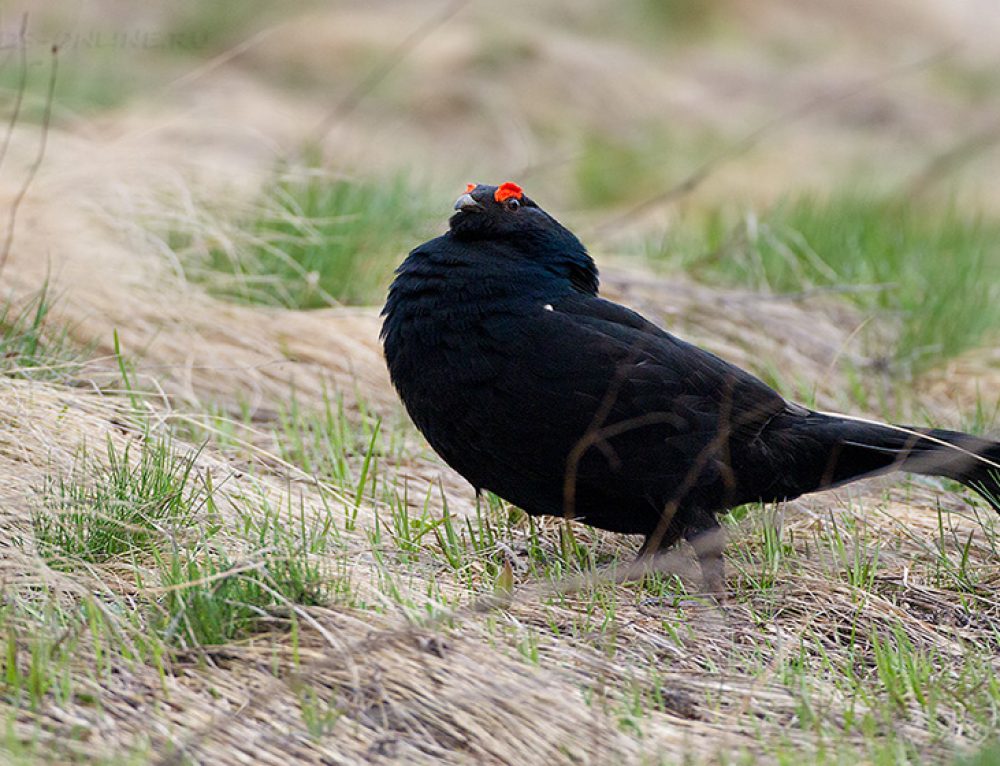
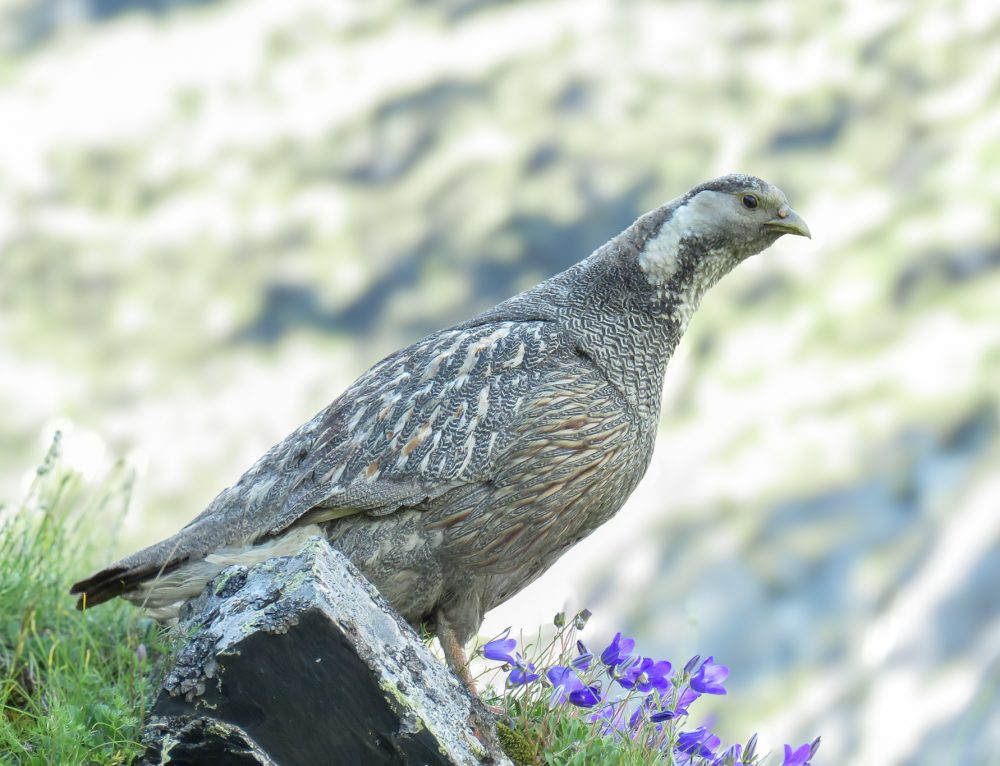
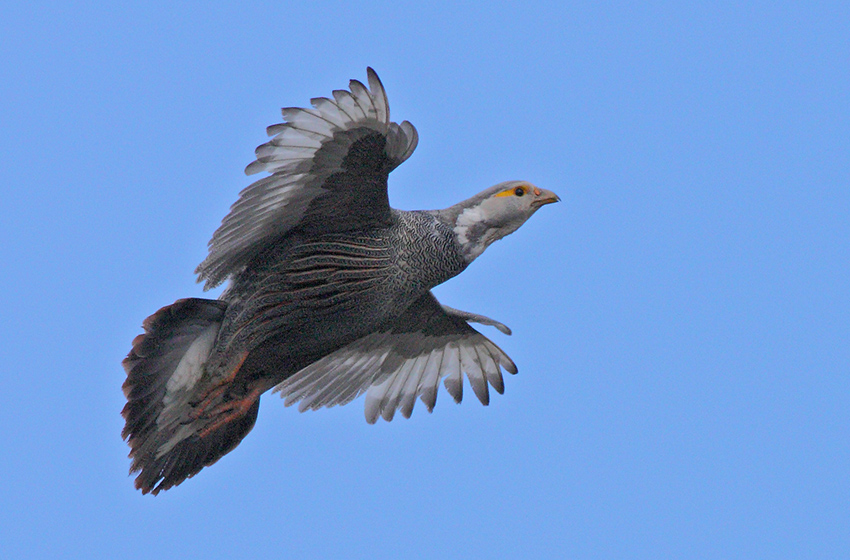
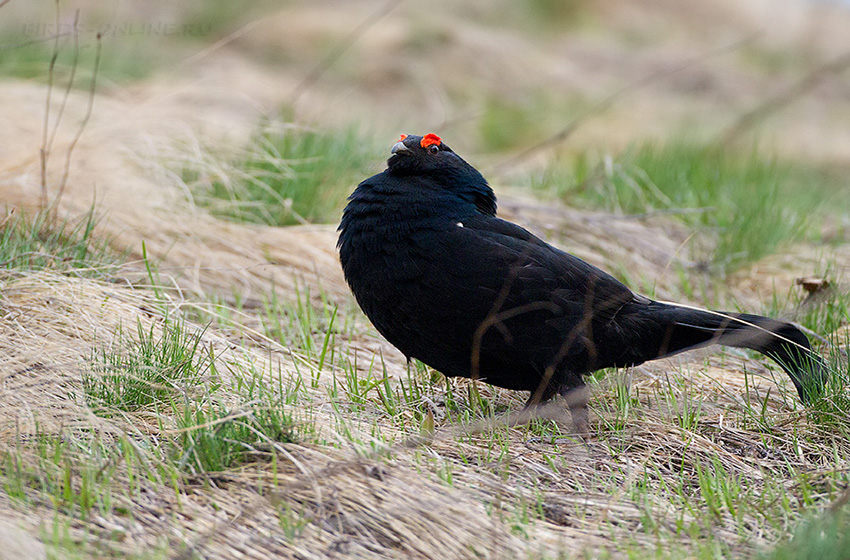
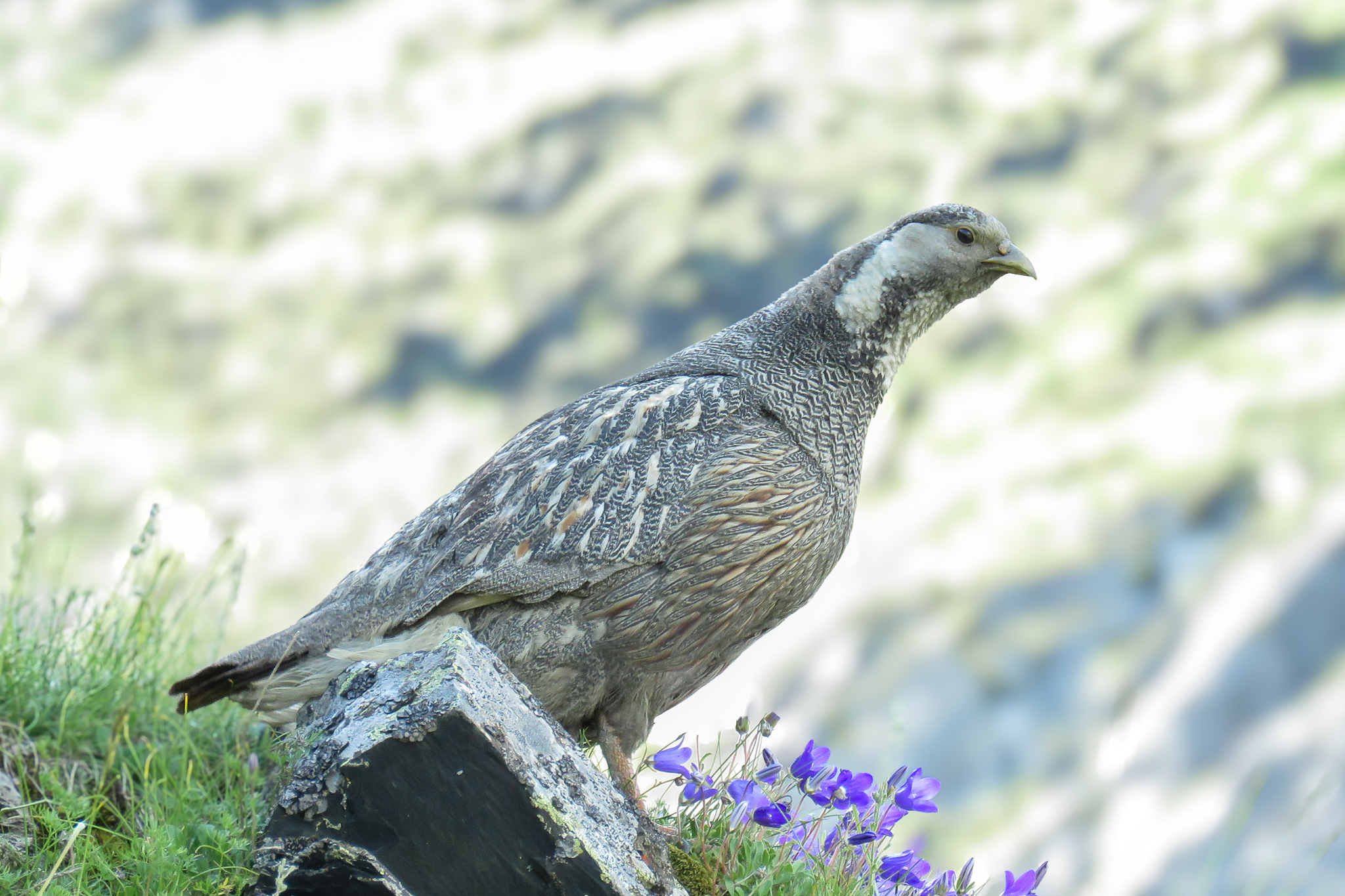
To encounter the true emblems of the region – the endemic Caucasian Snowcock and Caucasian Grouse – we explore one of the many magnificent gorges nearby. These birds are territorial throughout the year, making only limited altitudinal movements depending on conditions. An early start rewards us with the snowcock’s remarkable dawn chorus: a far-carrying, polyphonic call echoing across rock faces and guiding us to their exposed perches. The Caucasian Grouse, more discreet and largely silent at this distance, reveals itself by its dark plumage and elegant outline against snow-dusted rhododendron slopes. In the same high terrain we are likely to encounter Alpine Accentor, while flocks of Alpine Chough provide a lively spectacle as they wheel and chatter against the backdrop of snowy peaks.
Raptors add further drama to this mountain landscape. Bearded Vulture and Golden Eagle are among the most characteristic and regularly observed species, though other broad- and slender-winged raptors, including early spring migrants, may also appear. We will also search for another emblem of the high Caucasus: East Caucasian Tur. Small groups of these impressive ungulates are often visible on steep rocky slopes, frequently in the same areas favoured by snowcocks and grouse. And with a measure of good fortune, we may even glimpse the elusive Lynx – or, perhaps, a Grey Wolf moving silently across this vast and untamed landscape.
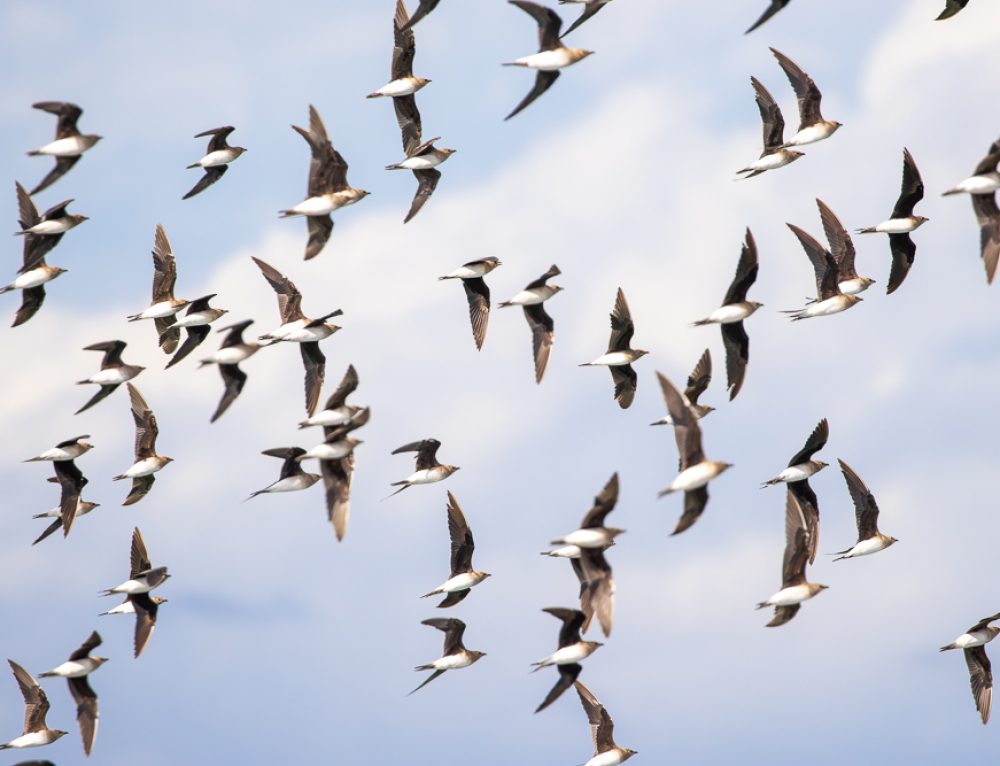
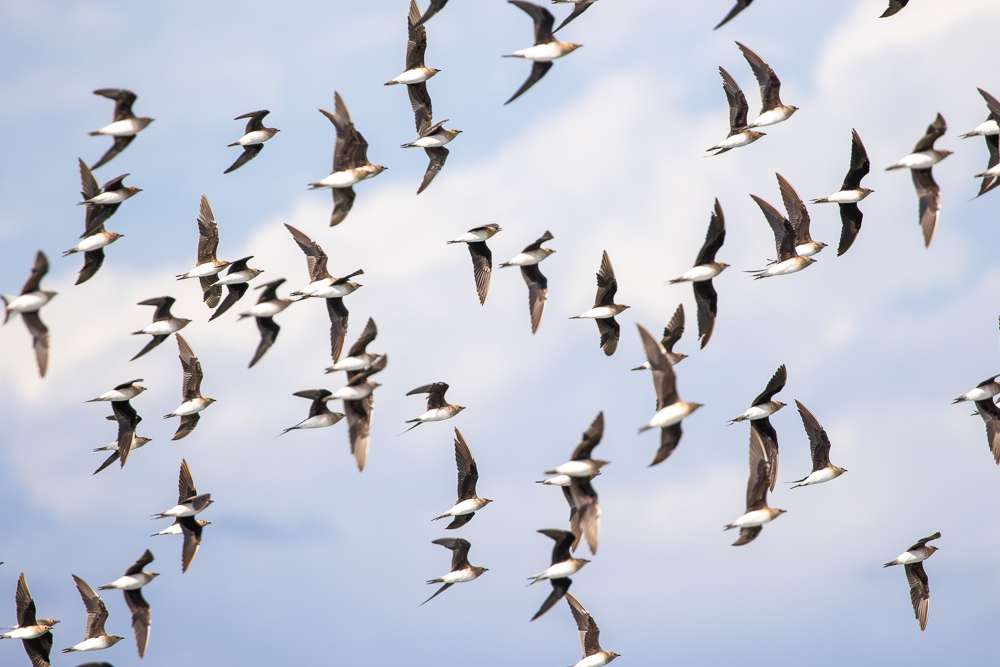
The time now comes to change the scenery as we turn eastward. In this part of Georgia lie some of the most important – and arguably one of the most fascinating protected areas in the entire Caucasus: Vashlovani National Park and Chachuna Nature Reserve. Our route to these reserves leads across vast agricultural plains, dominated by wheat fields that gradually dissolve into boundless steppe and rolling semi-desert hills. It is a landscape that feels increasingly open with every kilometre. These expansive territories host immense gatherings of larks, sometimes numbering in the thousands. Calandra Larks and Eurasian Skylarks form the bulk of these restless flocks, rising and settling over the newly sown, geometric fields in a constant ripple of movement. Greater Short-toed Lark and Turkestan Short-toed Lark are not as numerous as the dominant species, yet they are regular and characteristic inhabitants of these plains. The same open country also supports hundreds of wintering Little Bustards, and we may well witness several compact flocks moving across the steppe – a memorable sight in this vast setting.
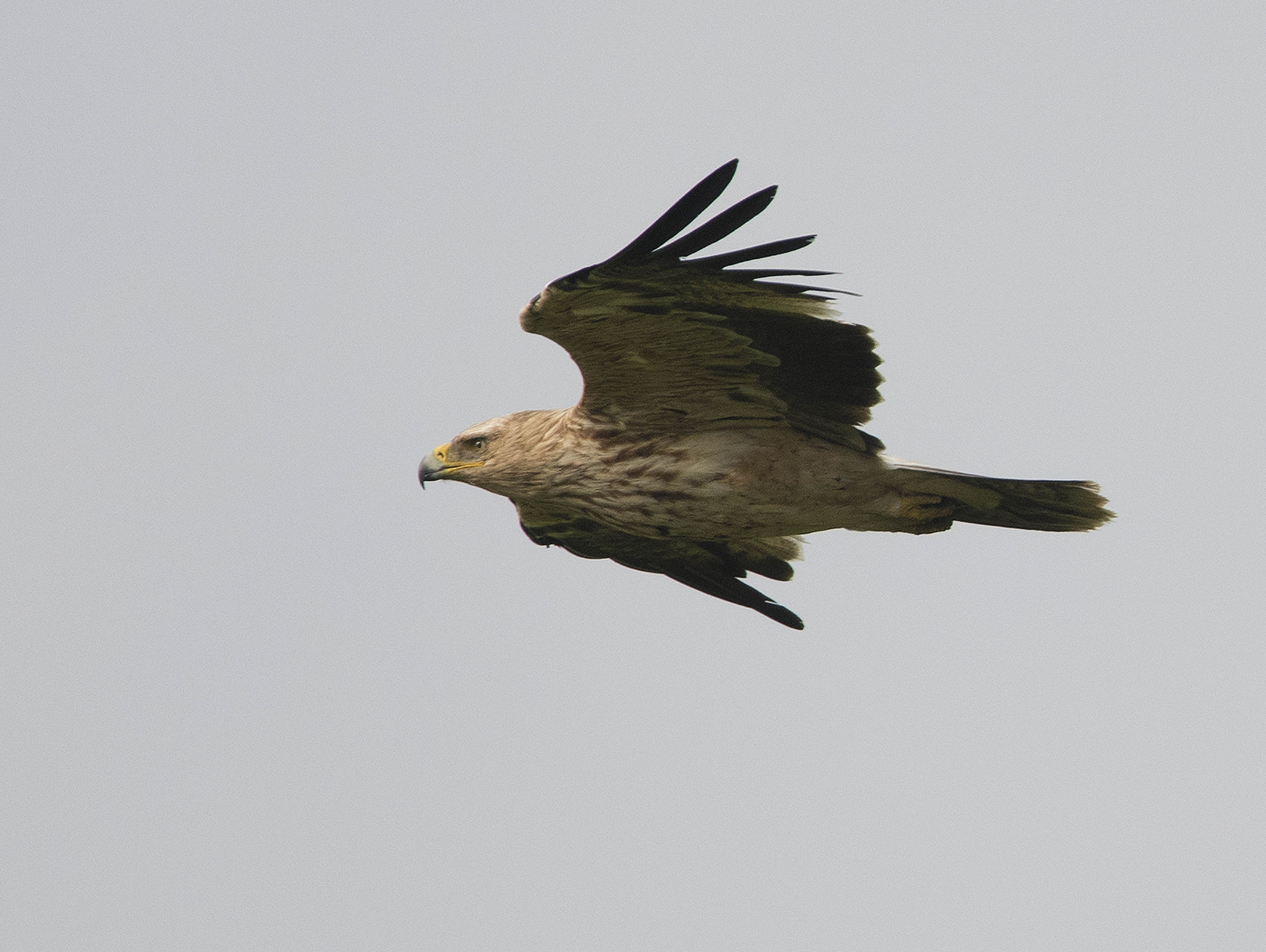
In this season, the fields are rich in rodents, a resource that does not go unnoticed by specialist predators. Raptors are therefore a constant and welcome presence. We will look for Pallid Harrier quartering low over the ground, Peregrine Falcon powering across the sky, and perhaps one of the true aristocrats of the steppe – the Saker. Among the larger eagles, we can expect to encounter Lesser Spotted, Greater Spotted and Steppe Eagles, yet it is the Eastern Imperial Eagle that reigns supreme here. This is very much its domain, and we are likely to meet this majestic species more frequently than any other eagle. Long-legged Buzzard is another conspicuous raptor of the region – so large and imposing that it can easily be mistaken for an eagle at first glance, and present here in good numbers.
The journey itself is relatively short, yet rich in opportunity. Almost every few hundred metres presents a new encounter: a roadside Isabelline Wheatear, or perhaps Finsch’s Wheatear perched conspicuously on a low mound. Flocks of Yellowhammers may conceal a Pine Bunting among them, particularly around favoured feeding spots. Little Owls observe us from roadside banks, blending remarkably with their surroundings, while Eurasian Eagle Owl may attempt to remain hidden in known roosting sites.
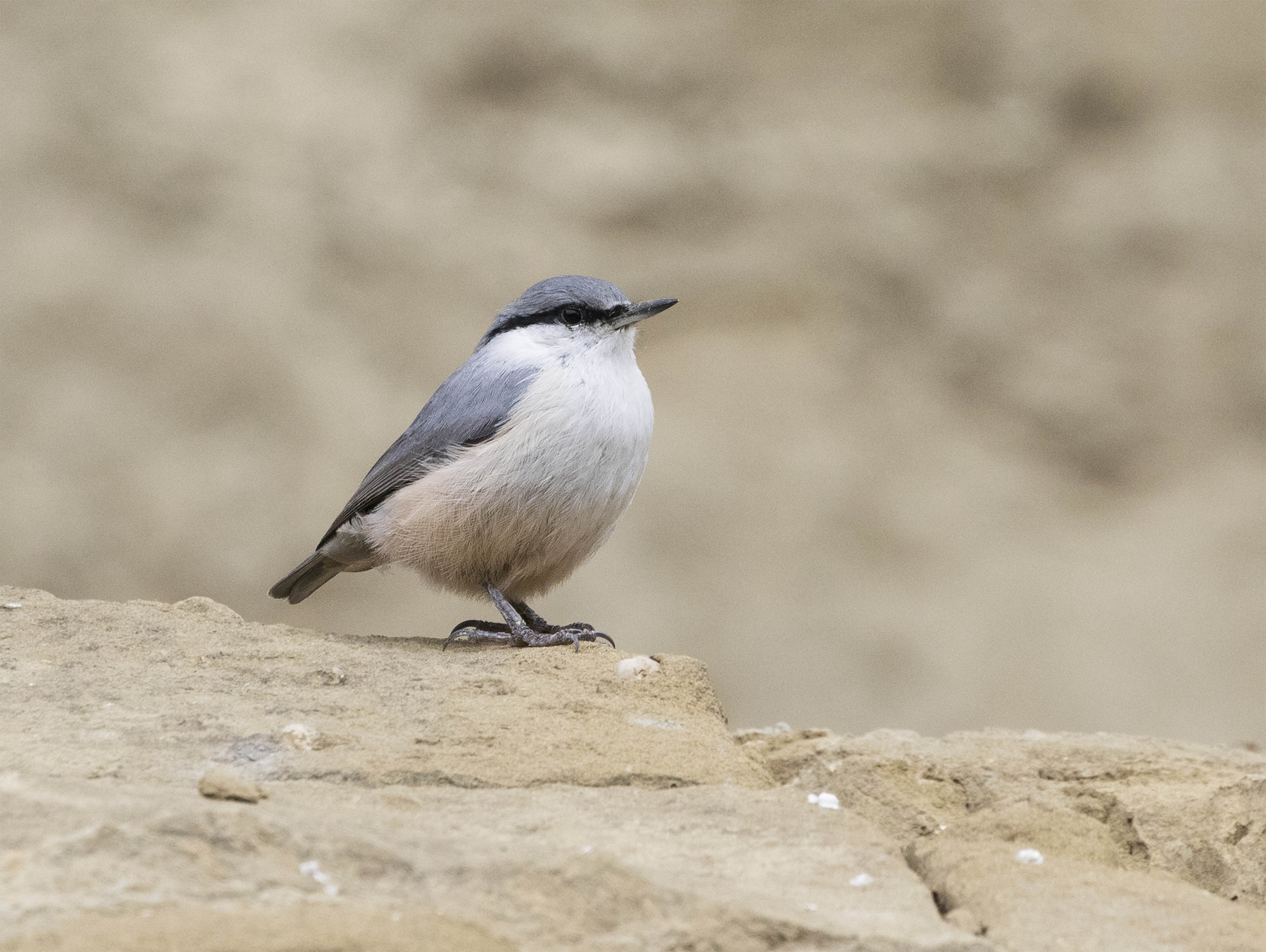
As we approach the heart of the protected areas, Griffon and Cinereous Vultures begin to appear overhead, and a White-tailed Eagle may be found near the reservoir, which we will explore in greater detail. The mosaic of habitats here also supports a healthy population of Black Francolins. Deeper within the park lie its most striking features – dramatic dry gorges that shelter an array of wintering and resident birds. One of the most delightful possibilities in these rocky recesses is Wallcreeper. In winter, these birds descend from the Greater Caucasus Mountains to take refuge here, sharing the cliffs with Rock Sparrow and Western Rock Nuthatch. Chukar Partridge is almost inevitable on stony slopes, and a pair of Black Storks may already be occupying a nest site.
Mammals further enhance the sense of wilderness in these remote landscapes. In the open expanses we should expect to see Goitered Gazelle, while Golden Jackal patrols the steppe, completing the impression of a living, breathing ecosystem that remains wonderfully untamed.
In the penultimate days of our programme, we turn our attention to woodland habitats, where we hope to enjoy excellent views of Middle Spotted and Syrian Woodpeckers. The ancient forest of Lagodekhi National Park, together with Ponichala Reserve near Tbilisi, provides outstanding conditions for these two species as well as nearly all other European woodpeckers. Here we will also remain alert for the possibility of encountering the scarcer White-backed. In nearby pine woodland close to Tbilisi, we search for Krüper’s Nuthatch – the Georgian capital marking the easternmost limit of this striking species’ distribution.
The final stage of our journey takes us to the inland steppe lakes of Kumisi and Jandari, both excellent birdwatching sites, particularly at this time of year when they host impressive concentrations of wintering wildfowl. Among them we can expect to find a range of notable species, including Ruddy Shelduck, while remaining prepared for the occasional unexpected discovery. Dalmatian Pelicans are among the principal seasonal highlights here, and although less regular, there is always the enticing possibility of Great White Pelicans associating with them. This is also the season when Pygmy Cormorants may even outnumber their larger relatives.
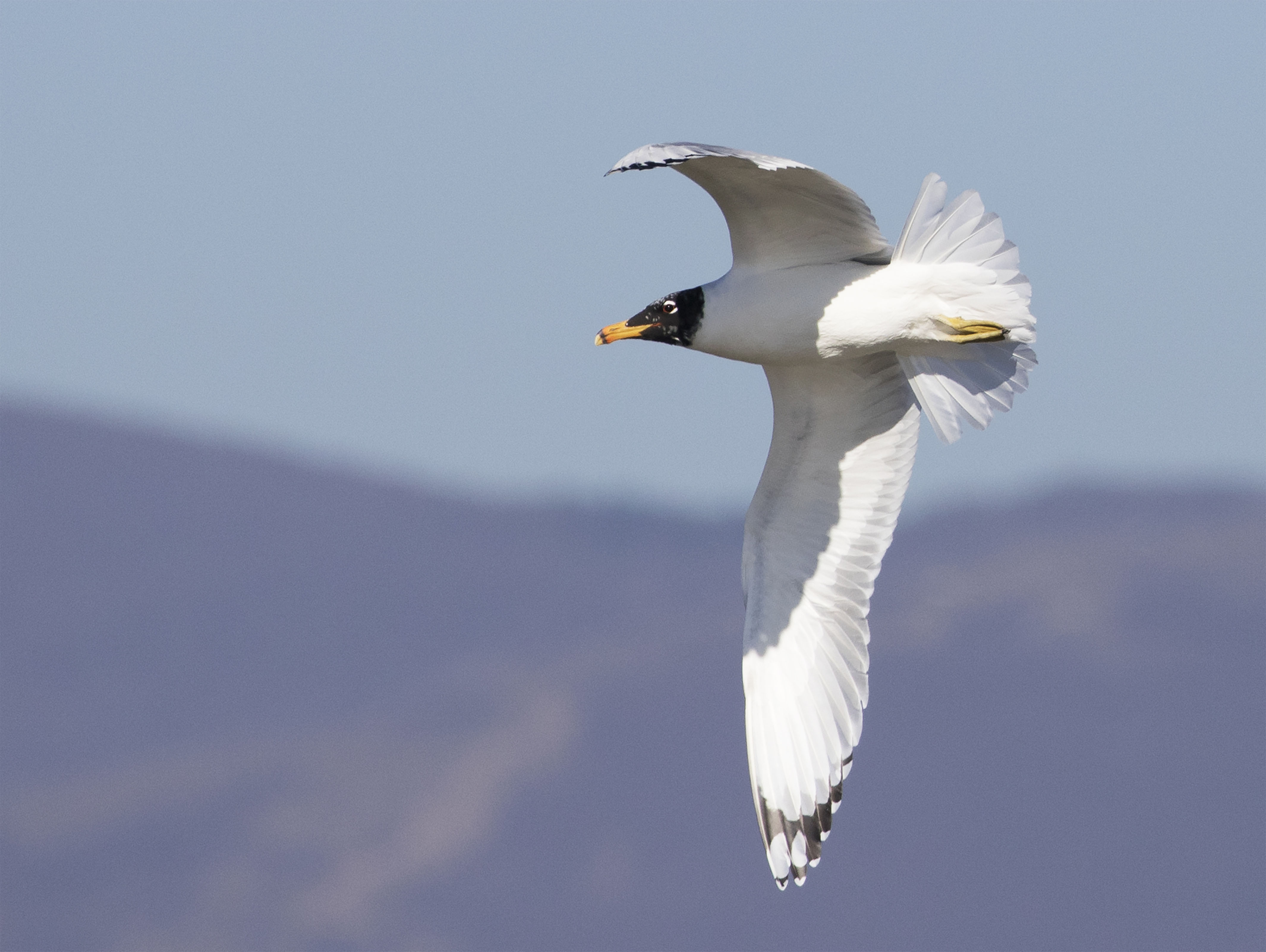
The lakes are dominated numerically by Armenian Gulls, yet Pallas’s Gulls stand apart unmistakably, differing in size, structure and overall presence. Passerines add further interest to the margins and reedbeds, including Homeyer’s Grey Shrike, while careful scrutiny of stonechats may reveal the first emerging Caspian Stonechats of the season. A Moustached Warbler would be a welcome bonus – and certainly not the only surprise these rich wetlands can offer. Before we return home, we are sure to add several more rewarding species to our country list, concluding the tour on a note of both variety and abundance.
For more information about this tour, please send us an email at info@birdingcaucasus.com
You can also get acquainted with our trip reports for previous years:
Photo credit
- Caucasian Great Rosefinch (homepahe) by Alexander Rukhaia
- Guldenstadt’s Redstart (tour header) by Alexander Rukhaia
- Guldenstadt’s Redstart (tour overview) by Richard Tyler
- Caucasian Horned Lark (tour overview) by Alexander Rukhaia
- Caucasian Great Rosefinch (tour overview) by Otto Samwald
- Red-fronted Serin (tour overview) by Otto Samwald
- Eastern Imperial Eagle (tour overview) by Richard Tyler
- Western Rock Nuthatch (tour overview) by Alexander Rukhaia
- Pallas’s Gull (tour overview) by Alexander Rukhaia