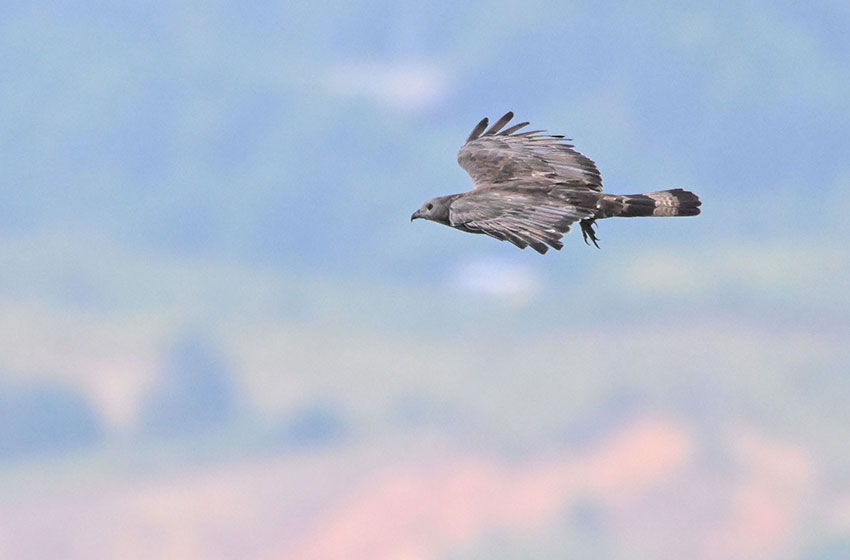
Every autumn, the skies above the southern Caucasus become a living river of wings and a vast aerial highway. From the high volcanic plateaus of Armenia to the humid Colchic rainforests of western Georgia, this journey follows one of the great migratory crossroads of the Western Palearctic, and birds move along ancient flyways that bind Siberia, Eastern Europe and Central Asia to the Middle East and Africa. It is an action- and bird-filled avian odyssey through one of the finest migration hotspots of Armenia and Georgia, including the eminent Batumi — a voyage through vast skies and ancient landscapes, a passage where continents converge, cultures intertwine, and birds move in their thousands between breeding and wintering grounds. This journey traces that movement across an extraordinary mosaic of habitats – saline and freshwater wetlands, river deltas, rocky mountains and deep valleys, winding mountain passes, and the semi-subtropical Black Sea coastline rich in biotopes – each alive with seasonal expectancy.
Skybound Quest: Migration Across Armenia and Georgia
A twelve-day birdwatching tour through some of the finest migration hotspots of Armenia and Georgia, complemented by a short extension to the Greater Caucasus Mountains in search of regional endemics
Birding Armenia and Georgia, including Batumi
1 – 14 September 2026
Overview
Our adventure begins in the capital of Tbilisi, where the Caucasus reveals its layered history in stone and light, and where rocky hills and dry steppe slopes frame the Mtkvari (Kura) River. Even here, migration is already underway. We are confident that our first excursion to the inland steppe lake of Kumisi, south of the city, will prove to be a compelling demonstration of the region’s rich birdlife. This shallow lake, edged by reedbeds of Phragmites and Tamarisk scrub, hold an impressive variety of water-associated birds during migration, with diverse wildfowl shifting across the surface, various herons stalk the margins, bitterns lurking and lifting from reedbeds, and harriers, including Pallid, quartering low over marsh and meadow. Muddy edges, rich in insectivorous, attract a number of ordinary and high wanted waders, very often, including Terek and Marsh Sandpiper, while flock of Demoiselle Crane resting during their long passage south, is quite regular here. And it is little wonder that the Eastern Imperial Eagle is also a regular visitor to this site. The sense of movement is already present – a quiet stirring before the spectacle to come. We will round off the day with superb views of resident Syrian and Middle Spotted Woodpecker at the neighboring forest park, before returning to the city to savor a traditional Georgian dinner.
Crossing into Armenia, the landscape opens dramatically and the scenery broadens into sweeping uplands crowned by distant peaks. The road climbs to the vast basin of Lake Sevan, one of Eurasia’s great high-altitude lakes, set at nearly 2000 meters, or 6,562 feet above sea level. It’s immense sweetwater expanse, ringed by boulder steppes and volcanic rock communities, stretch beneath a luminous sky and forms one of the region’s most important staging posts for migratory birds. Along its shores of, rather compact peninsular, Norashen Reserve, migration plays out in elegant procession. An autumn light glitters on rafts and island of Armenian Gull – a regional specialty – patrols the shoreline in commanding fashion. And, various terns, including White-winged, hawk delicately over sheltered bays. Several noteworthy waders are almost always present along the pebbled and sandy lagoon, while the surrounding water vegetation and Buckthorn scrub offer excellent opportunities to encounter a variety of regular warblers, with the ever-present possibility of a scarce or vagrant species among them. This time of the year, Western Yellow Wagtails, predominantly of a feldegg race, ripple over the adjacent grasslands, where many other small birds are also abandoned.
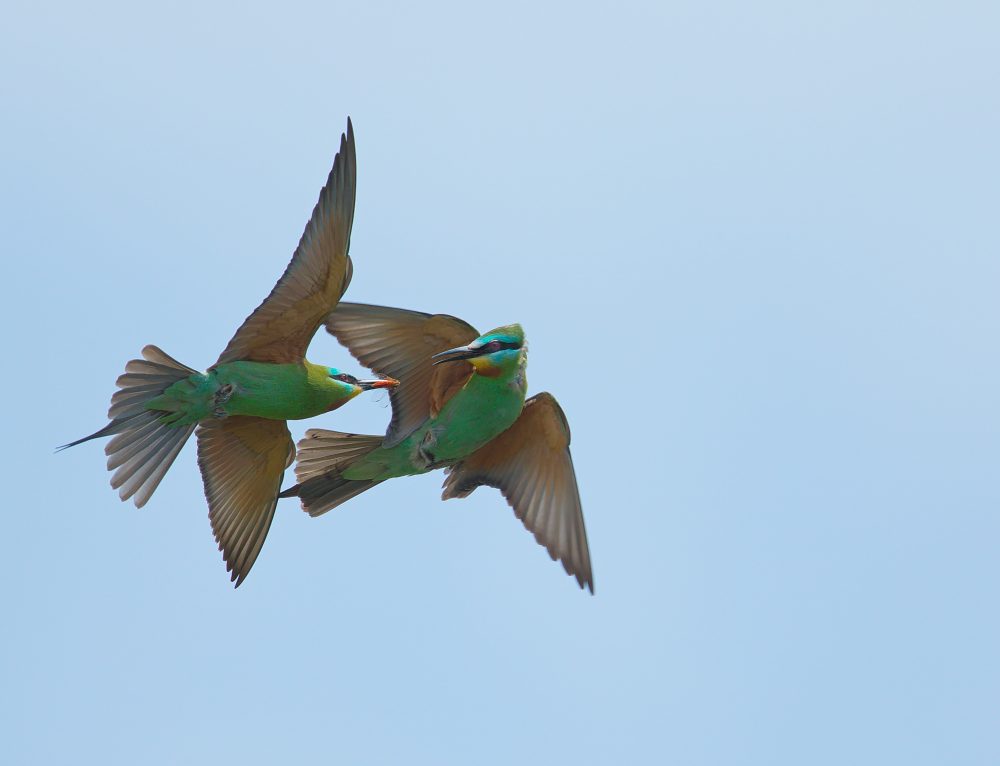
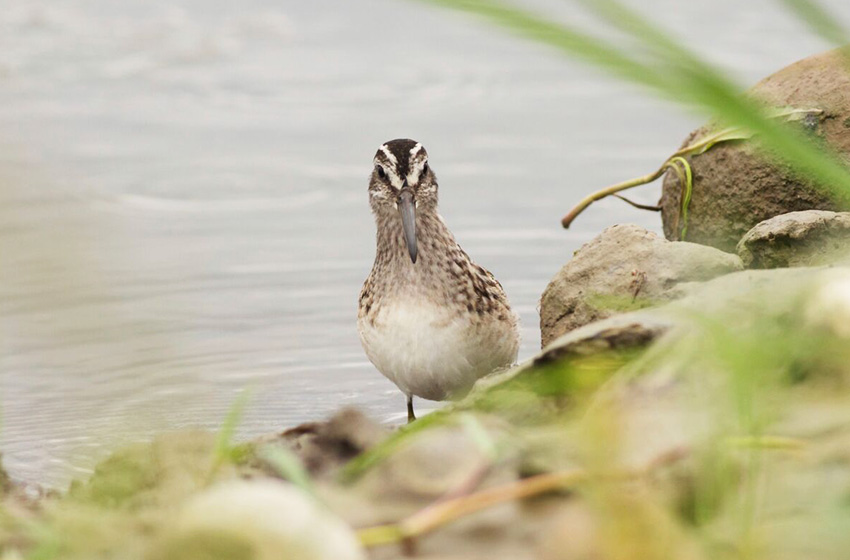
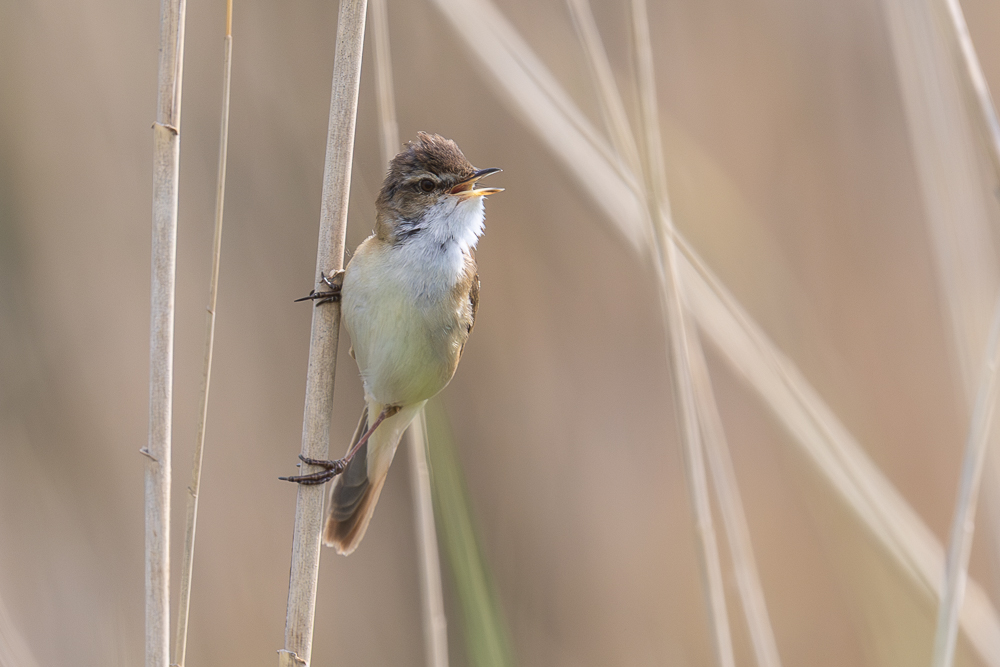 After Lake Sevan, we pause for a night in the capital, Yerevan, before continuing towards the Armash Fishponds – a renowned wetland complex of international significance, at the foot of the sacred silhouette of Mount Ararat. These celebrated fishponds form an intricate network of open water, reed-fringed pools and muddy dykes — a magnet for passage waders with a remarkable diversity, however nothing competes with a beauty of local White-tailed Lapwings. Herons, including Squacco, Black-crowned Night and Purple, are present in good numbers, as well as lingering Pygmy Cormorants. Glossy Ibis is another frequent encounter here, often seen alongside the conspicuous Eurasian Spoonbill, sweeping it’s spatulated bill gracefully from side to side. Savi’s, Menetries’s, Moustached, Common Reed, Sedge, Cetti’s, Marsh, Great Reed, Paddyfield, and Eastern Olivaceous Warblers skulk within reedbeds, while Citrine Wagtail pick along the pond edges, and Rufous-tailed Scrub-Robin remains detectable even well into late autumn, as well as many other popular breeding species of this site. Speaking of which, Blue-cheeked Bee-eaters immediately come to mind, filling the air with their vibrant calls, especially as they scythe through swarms of dragonflies. The list of birds certainly does not end there; it is perfectly possible to record well over a hundred species before lunch, while other notable sightings may include the striking Red-crested Pochard, Ferruginous Duck, White-headed Duck, Broad-billed Sandpiper, Grey-headed Swamphen, Spotted Crake, Great White and Dalmatian Pelicans, and many others. The abundance feels almost African in character, a reminder of how close Eurasia’s great migratory systems lie. That evening, we will enjoy a traditional Armenian feast at a fine restaurant in the city center.
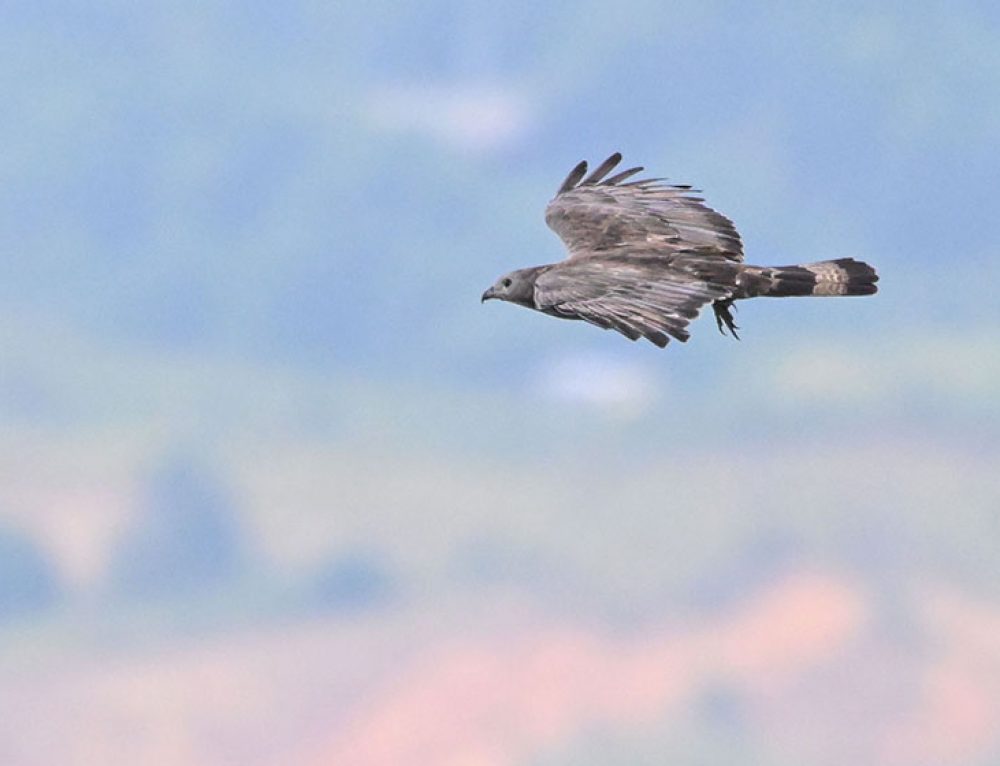
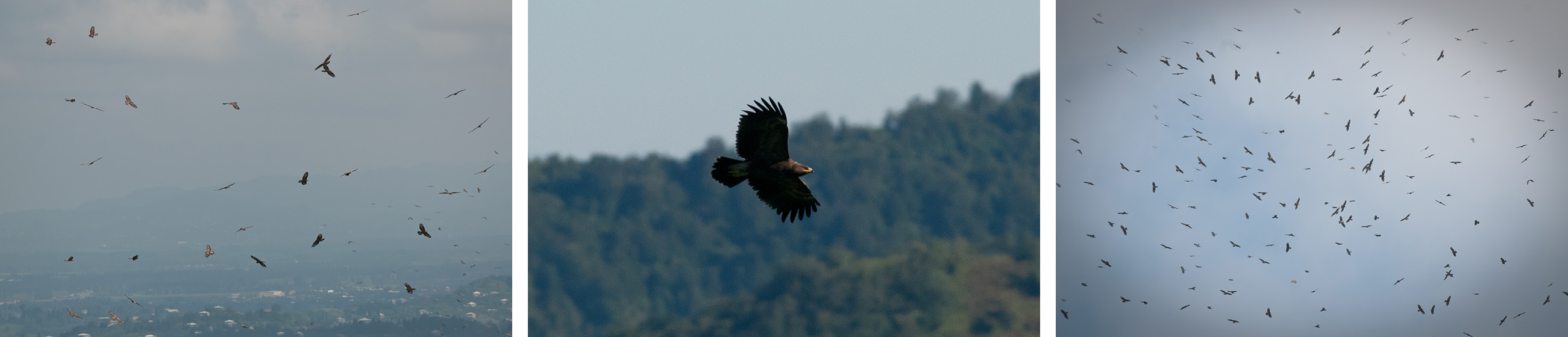
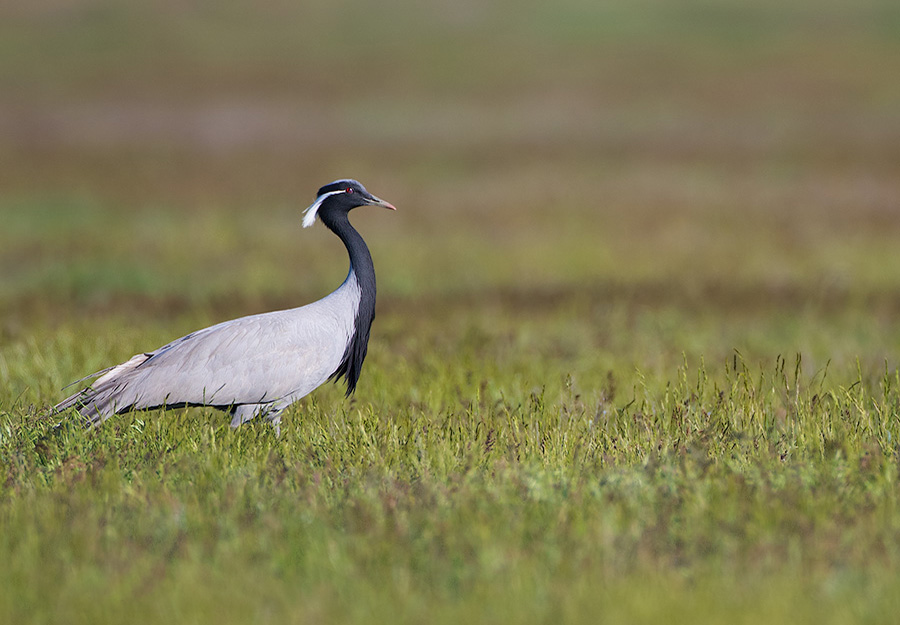 Continuing north to the Shirak plateau, and the Lake Arpi, the landscapes grow wilder still, as we enter a world of high-altitude grasslands shaped by wind and volcanic history. Around here, the air feels clearer, the horizons broader. This is prime habitat for raptors and steppe specialists. Long-legged Buzzard, including the puzzling individuals of a dark morph, perches on isolated mounds; Montagu’s and Pallid Harriers gliding over the rolling hillsides with effortless command; Lesser Spotted, Great Spotted and Steppe Eagles may appear in purposeful flight; and Short-toed Snake Eagle scans the ground below for reptiles. Nevertheless, at this time of autumn we anticipate an even greater diversity of raptors, including both European Honey Buzzard and Crested Honey Buzzard. In addition, a variety of larks forage quietly among the grasses. while wheatears flick across basalt outcrops, their calls carrying over the open expanses. Ground-dwelling waders gather in loose flocks; Demoiselle Cranes may pass overhead in graceful formation, as local Transcaucasian Common Cranes of the subspecies archibaldi stand below, gazing upward with quiet curiosity.
Crossing back into Georgia from the southern frontier (northern for Armenia), our first birding stop is Lake Madatapa, a highland wetland of exceptional beauty set amid sweeping volcanic landscapes. Here, straddling the Georgian frontier, the wetlands shimmer with life. Local and migratory cranes may bugle across the marshes, while waders assemble in impressive numbers as autumn tightens its grip. A rich wildfowl, with majority of Ruddy Shelducks, drift among reed-lined inlets. Meanwhile, the surrounding uplands and colorful boulder fields provide habitat for a wide range of passerines, while migrating Ortolan Buntings, Eurasian Hoopoes and other vivid species feed in the harvested fields. Later that same day, en route to Vardzia, where we plan to spend the night near the famous cave town, we will also have the opportunity to explore several additional noteworthy sites, both large and small lakes, including Bughdasheni and perhaps Khanchali as well.
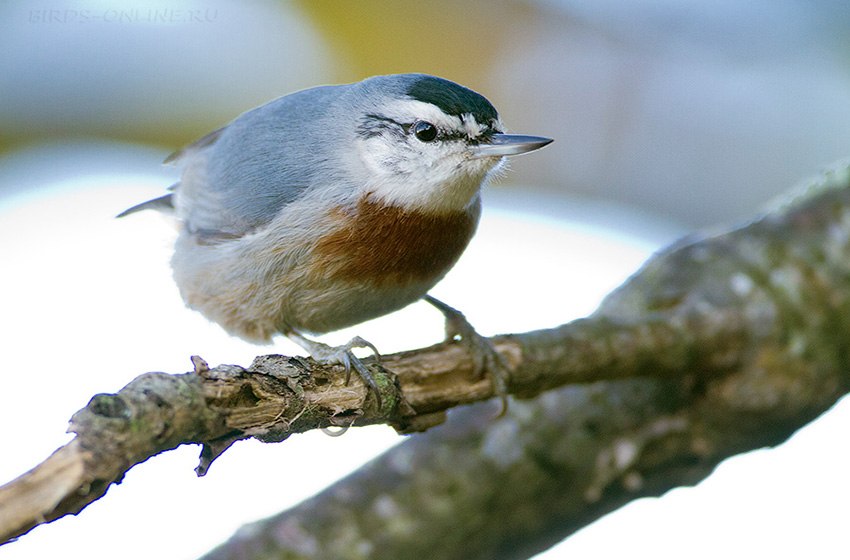
Next day, from the lonely beauty and the stark openness of the Javakheti Volcanic Plateau, we turn westward, and along forested slopes approaching the dramatic landscapes of the Goderdzi Pass, habitats shift once again. The road over the pass winds through forests, ablaze with autumn colors, where deciduous oak and beech woodland merges seamlessly with conifer stands of spruce and fir – a realm of Krüper’s Nuthatch and other interesting woodland birds. Here, woodpeckers call from shadowed trunks, while tits and leaf warblers glean among the golden leaves – and there is always the enticing possibility of something more valuable, such as Green Warbler and Red-breasted Flycatcher. As we cross the pass and descend towards the Black Sea, the climate softens perceptibly. Moist, subtropical air supports the lush Colchic forests – dense broad-leaved woodland, rich in mosses, wild chestnuts and walnuts. Then, quite suddenly, the land falls away and the humid breath of the Black Sea announces our arrival in Batumi.
The eastern coast of the Black Sea is one of the great migration bottlenecks of the Old World. Squeezed between sea and forested mountain, countless raptors funnel south in astonishing concentration. For most people, it is simply the vibrant, touristic town of Batumi, unaware of the extraordinary phenomenon unfolding over the neighboring hills – but for us, it is known as ‘Batumi Bottleneck’. Over several days, we position ourselves at key watchpoints to witness the passage at its peak. Early in the period, streams of European Honey Buzzards dominate the skies, and on a major day more than a hundred thousand individuals may pass in a single sweep. With such staggering numbers, the likelihood of picking out a few Crested Honey Buzzards among them increases appreciably. At this time, Black Kites also form steady streams, and as the season advances, numbers of Steppe Buzzard swell dramatically, at times forming vast kettles of thousands spiraling skyward. Flurries of Levant Sparrowhawks ripple across the sky in impressive numbers, as well as Lesser Kestrel, Red-footed Falcon and Eurasian Hobby dart through with agile precision. Their rapid wingbeats creating a flickering ribbon over the watchpoints. This is also the period when the eagles slowly begin to appear – Booted and Short-toed Snake Eagles are usually the first to arrive, soon joined by Lesser Spotted, Greater Spotted and Steppe Eagles; on fortunate days, even the majestic Eastern Imperial Eagle may grace the passage. In addition, we believe there is no finer period for harrier migration than this week, when Western Marsh, Montagu’s and Pallid Harriers pass in a highly concentrated, steady flow – a spectacle rarely witnessed elsewhere. The passage is made all the more special by the occasional melanistic individuals drifting over the watchpoint or along the coastline. And that is far from all: thousands of Black Storks, seemingly endless streams of European Bee-eaters, numerous European Rollers, flocks of European Turtle Doves (with the occasional Oriental Turtle Dove), millions of martins and swallows, and much more besides.
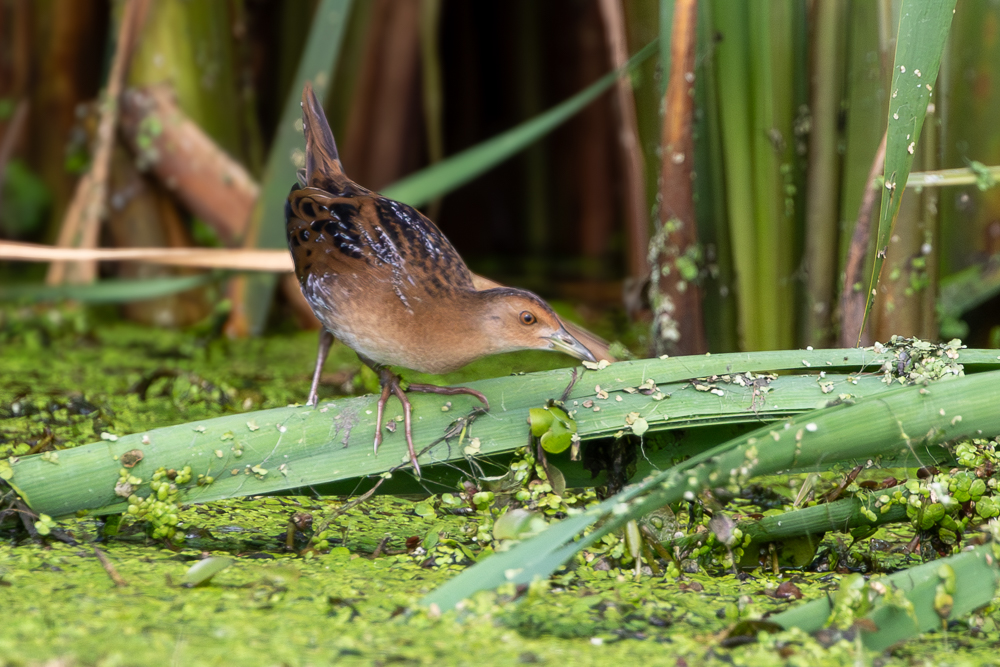 Yet Batumi is not solely about raptors. Chief among its complementary sites is the celebrated Chorokhi River Delta, south of the city – a rich mosaic of marsh, reedbed, scrub and pebble shoreline that consistently rewards careful exploration. Waders stitch the mudflats with restless energy. All three crake species – Little, Spotted and Baillon’s – are regular here, alongside Little Bittern and Grey-headed Swamphen. The mudflats and shallows can produce Terek Sandpiper, Broad-billed Sandpiper and Marsh Sandpiper, among many other sought-after species, including both Great Snipe and Jack Snipe. Along the shoreline, large flocks of Black-winged Pratincoles are regularly observed. At the river mouth, impressive concentrations of gulls gather in several species, while the terns may reveal all seven regularly occurring species, including Caspian Tern. Herons, Purple Heron among them, often stalk the reedbeds in statuesque silence. On the bare ground and among the grasses, a variety of larks, wheatears, pipits and wagtails can be found, including the elegant Citrine Wagtail. The reeds are often alive with the quick flickering movements and chatter of various warblers. In sheltered groves, especially during spells of poor weather, waves of passerines descend – warblers flicking through shrubs, redstarts, shrikes, flycatchers and stonechats feeding at buckthorn and raspberry scrub. Especially along Batumi Boulevard, a wet day can bring remarkably productive birding, with an impressive variety of sightings at close range – the quiet drama of migration unfolding at eye level.
No coastal itinerary would be complete without Matlakva Beach, a short sand spit opposite Kolkheti National Park, in the heart of ancient Colchis land, where the shorebird diversity remains impressive, and up to eight species of tern may be recorded, allowing close views of Gull-billed, Caspian and White-winged. Fittingly, the very name Phasianus colchicus – the Common Pheasant – recalls this landscape: derived from Colchis and the river Phasis (modern Rioni), a quiet testament to the region’s deep natural and cultural history.
On our return to Tbilisi, we pause at the ancient rock-hewn settlement of Uplistsikhe, where history is carved into sandstone cliffs. Western Rock Nuthatch move among the caves, reminders that birds have shared these landscapes with human civilization for millennia.
It is a fitting conclusion. For this tour is not merely a catalogue of species or a sequence of places visited, but an immersion into a living landscape — a migration corridor linking tundra and savannah, north and south, past and present. In little more than a fortnight, we follow birds across borders and biomes, from shimmering steppe lakes to subtropical coast, from windswept plateau to alpine glacier.
Above us, the passage continues — ancient, instinctive, unstoppable. Thermals rising from sunlit plains and winds channeled between mountain and sea converge here in the southern Caucasus. And for a brief moment, we stand beneath this timeless rhythm, privileged witnesses to one of nature’s most enduring epics.
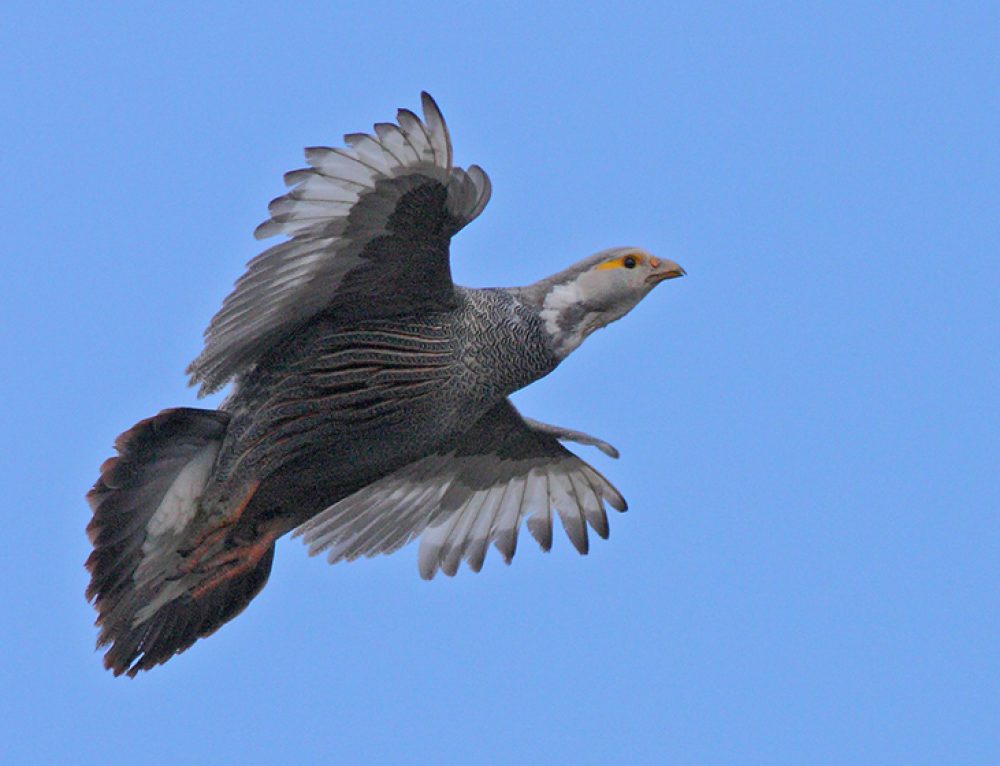
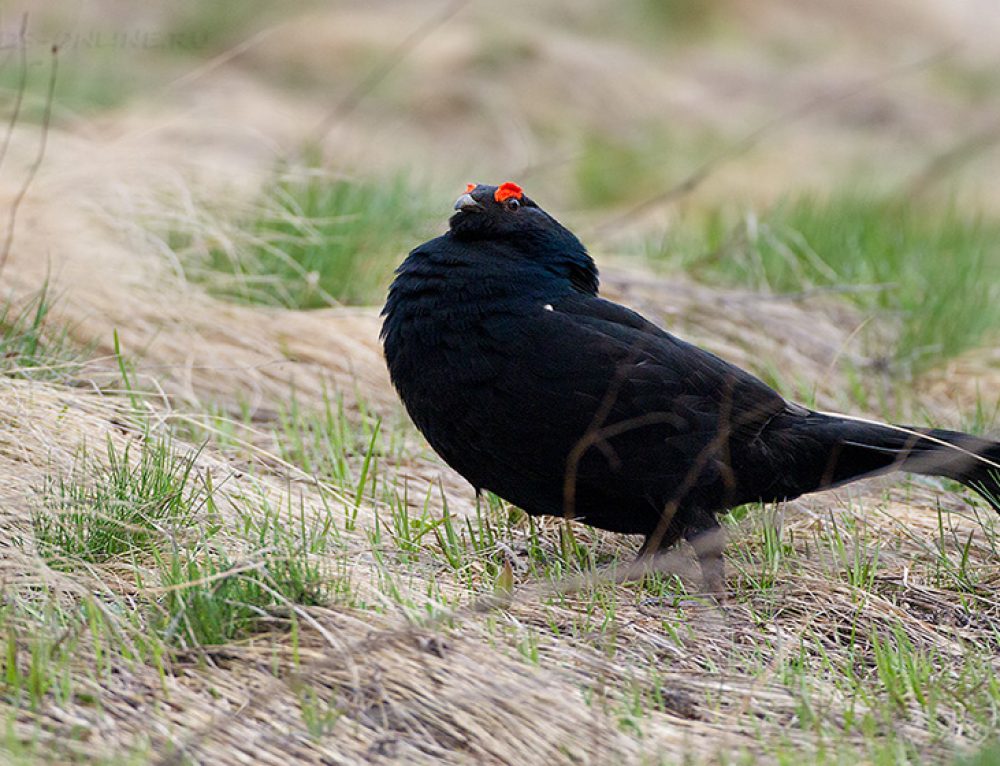
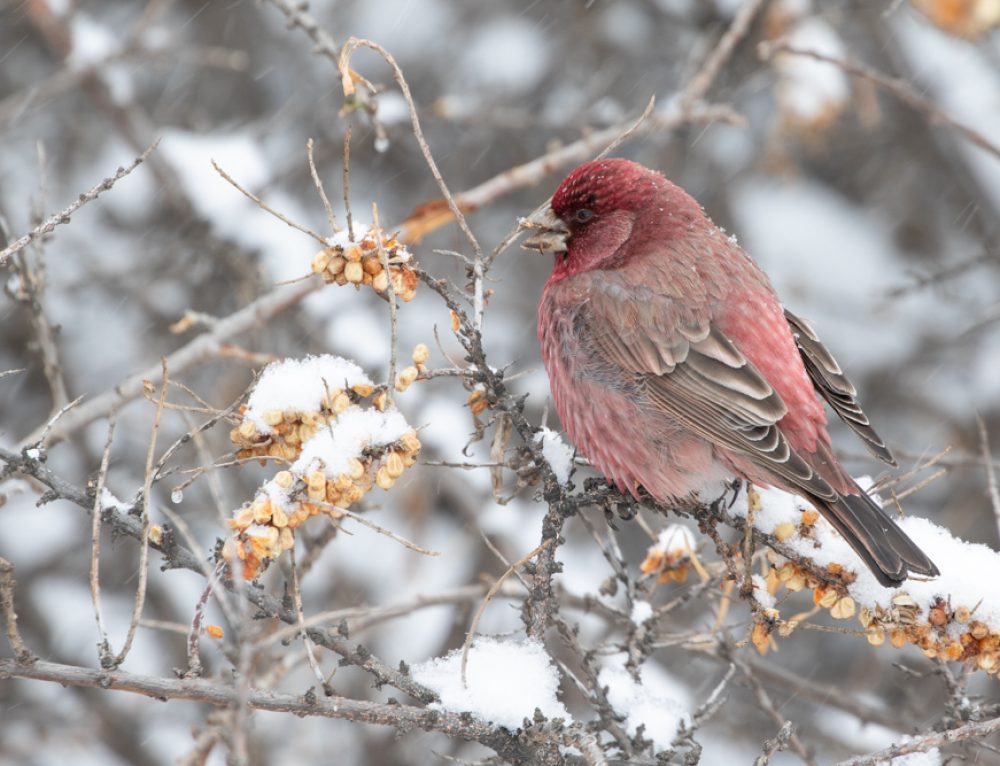
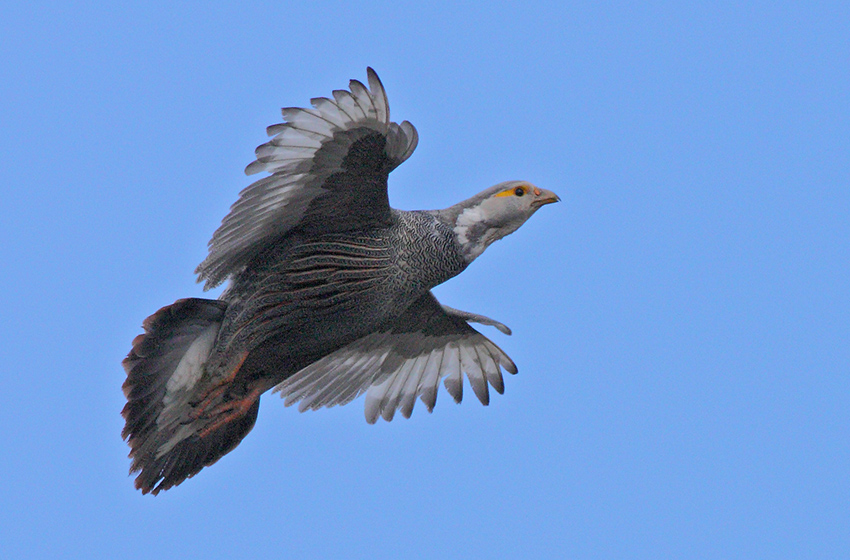
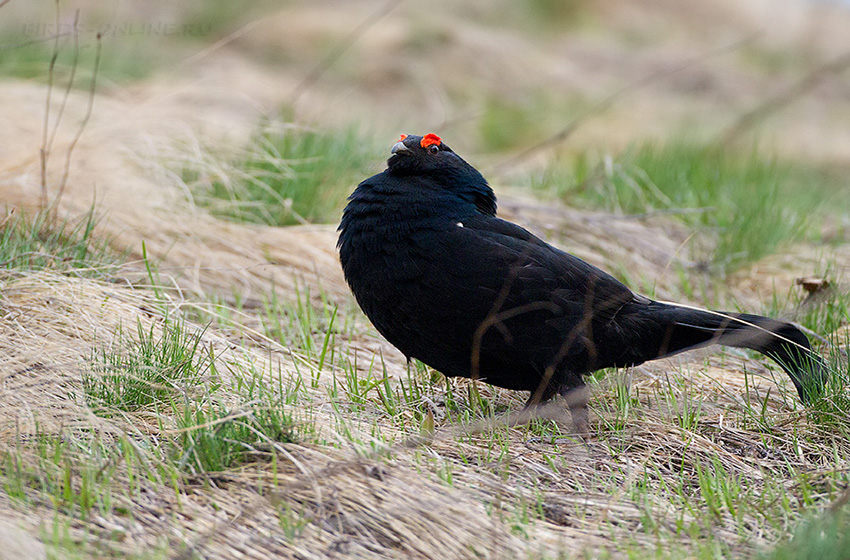
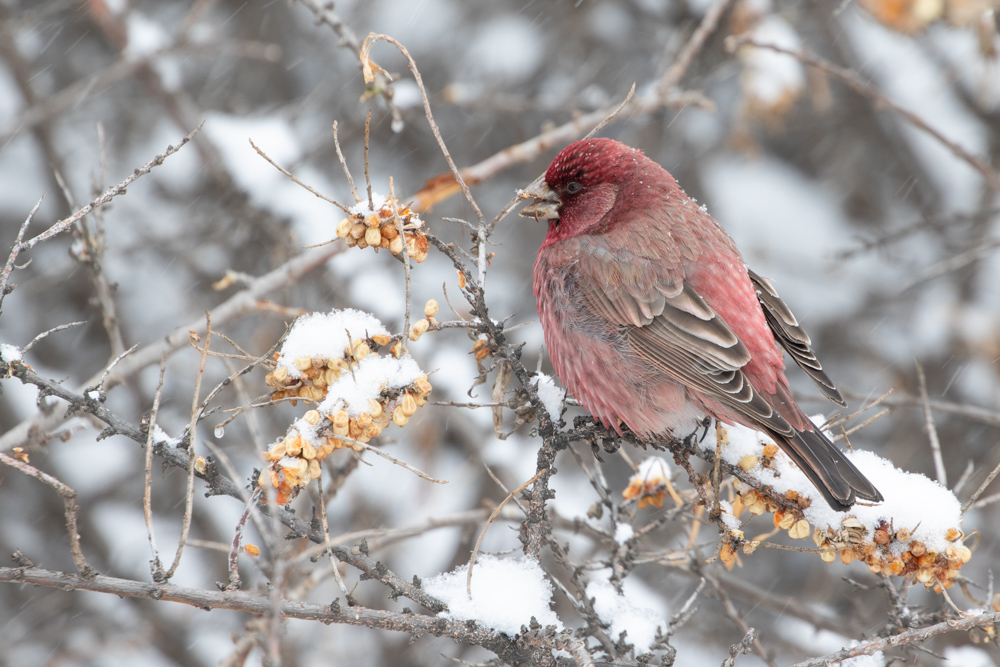
Optionally, at the conclusion of the Batumi segment, we can arrange a short three-day extension to the magnificent mountain region of Svaneti – a land steeped in antiquity and home to all the Caucasian endemics, collectively known as the ‘Caucasus Big Five’. Caucasian Snowcock and Caucasian Grouse are the principal targets, though the wish list extends well beyond them. Excellent chances exist for other alpine highlights, including Great Rosefinch, Mountain Chiffchaff, Twite, Alpine Accentor, Horned Lark and Red-fronted Serin. By contrast, Güldenstädt’s Redstart and Wallcreeper can prove elusive this time of the year. Participation in this extension is entirely optional, yet it offers a superb opportunity to combine spectacular migration with high-mountain specialities in a single journey.
For additional information about this tour, please send us an email at info@birdingcaucasus.com
Photo credits
- Black-winged Pratincoles by Alexander Rukhaia
- Lesser Spotted Eagle by Aki Aintila
- Soaring raptors by Aki Aintila
- Broad-billed Sandpiper by Albert de Jong
- Paddyfield Warbler by Theofanis Theofanopoulos
- Demoiselle Crane by Ilya Ukolov
- Krüper’s Nuthatch by Ilya Ukolov
- Baillon’s Crake by Alexander Rukhaia
- Flock of birders by Giorgi Beridze